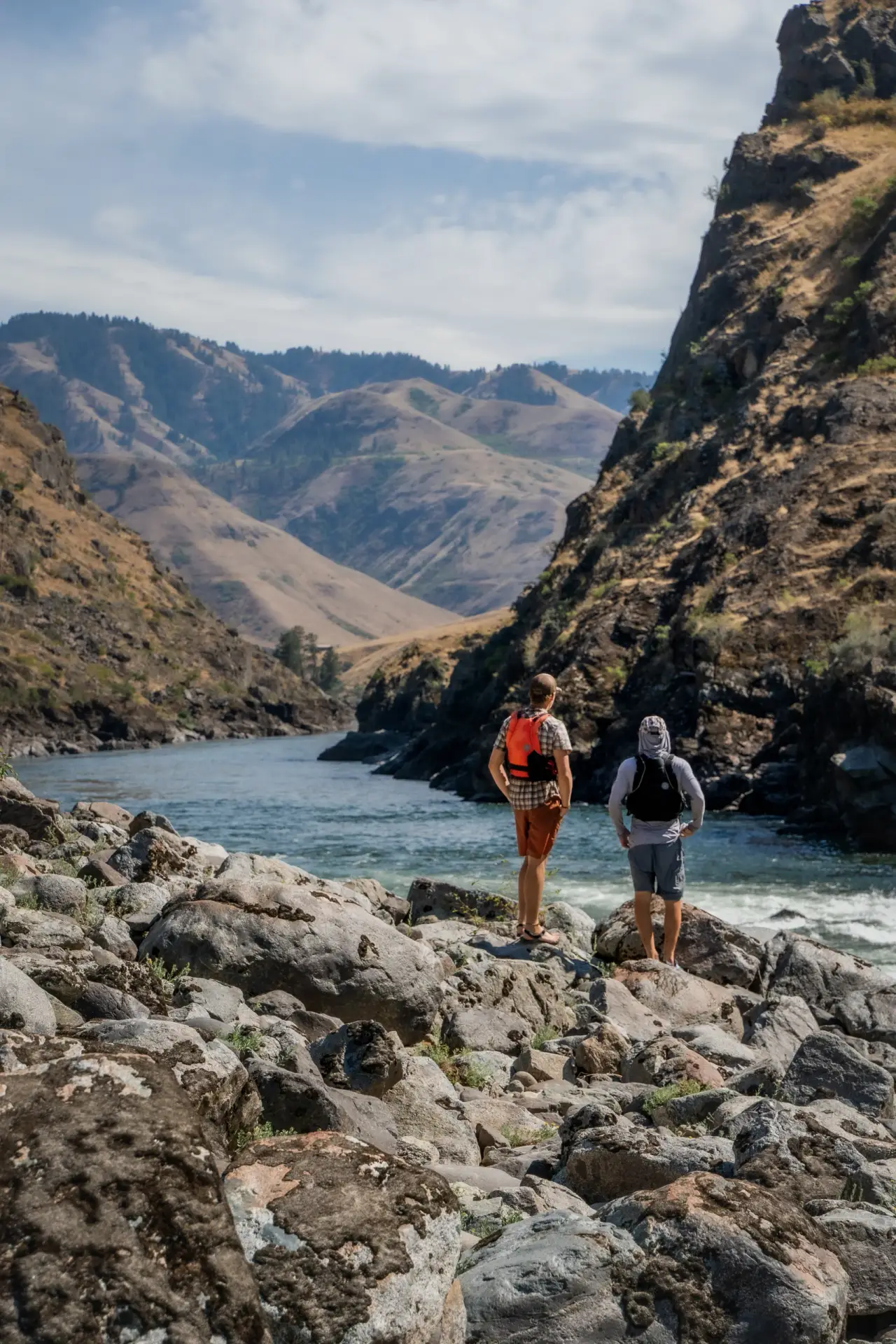
Prepare to Paddle: Your Go-To Packing List for the Lower Salmon River The Lower Salmon River in Idaho is more than a river; it’s a journey through time, water, and wildness. Over four unforgettable days with Wild River Adventures, you’ll paddle 72 sun-drenched miles through a living canyon gallery: Blue Canyon, Green Canyon, Snow Hole, and Cougar. Each one is its own chapter, sculpted basalt walls, granite boulders polished by centuries, splashy rapids, and golden beaches that beg you to stay a little longer. From the first morning at Hammer Creek, life begins to shift. The canyon stirs awake as coffee steams in tin mugs and boats creak under the weight of gear and anticipation. By midday, the sun turns rock walls into radiant mosaics. You might swim, nap on warm stone, or float quietly beside your raft, letting the rhythm of the current carry your thoughts downstream. As the light softens, the river slows. Camps appear like mirages, cool sand, crackling fires, and the aroma of dinner prepared by your guides. Steak, salmon, fresh greens, and the kind of desserts you didn’t think possible out here. Glasses clink, stars gather overhead, and laughter settles like embers into the night. This is the heart of a Lower Salmon River rafting adventure, a perfect blend of wilderness, comfort, solitude, and shared joy. But even the most spontaneous magic begins with preparation. That’s why we’ve crafted a guide-approved packing list to help you arrive ready. With the right gear in your dry bag, you’re free to soak up every mile, every meal, every star-lit story the canyon has to offer. What to Pack for a Multi-Day Rafting Trip Let’s dive into the top 7 essentials every rafter should bring for a Lower Salmon River trip: 1. The One Thing You Can’t Forget When the Sun Goes Down… A Headlamp One evening, as darkness blanketed the canyon quicker than anyone expected, a guest decided their iPhone flashlight was going to be their guiding star for a midnight trek to the groover. Instead of fiddling with a headlamp or finding a flashlight, they clamped the phone between their teeth like a hands-free lantern. At first, it seemed clever, until the inevitable happened. As they shuffled carefully over uneven ground, the phone slipped from their mouth. The phone quickly tumbled down the sandy slope, landing with an crack that echoed through the still night. Since then, that “iPhone flashlight between the teeth” moment has been my reminder that no matter how clever we think we are, some inventions just don’t belong on a midnight river trek. Ever since, I’ve sworn by a reliable headlamp, hands-free, steady, and less likely to plunge into the dark. My guide hack? Always go hands-free with a red-light setting to protect your night vision, pack extra batteries, and practice good light discipline, because the difference between a graceful moonlit stroll and face-planting into a tent stake can be all in how you carry your light. 2. Quick-Dry Clothing: The Great River Debate Between Synthetics and Cotton On the river, clothing choices spark lively debates among guides. While quick-dry synthetics are the popular go-to for their moisture-wicking and fast-drying qualities, some seasoned guides still swear by cotton, especially when damp. Cotton, when wet, acts almost like a natural air conditioner, offering unexpected relief under the relentless canyon sun. It’s not the fastest drying fabric, but its cooling comfort during those scorching afternoons can’t be beat. You’ll often find guides sporting loose, breathable cotton button-downs or even a little wild like a cheetah-print romper, embracing function and personality. At the end of the day, riverwear is less about strict rules and more about finding what helps you stay comfortable, cool, and stylish. Especially while chasing the sun down the canyon and staying protected. 3. Shoe Stealth on the River: Why Grip and Fit Are Everything with Shoe Choice One unforgettable moment happened mid-rapid when a 15-year-old paddler’s shoe decided to take a solo adventure. It slipped off his foot during a splashy maneuver and disappeared into the swirling current like it had a mind of its own. He expertly hid his missing shoe from me for two hours on the boat, pretending nothing was amiss. He tucked his bare foot behind the cooler, avoiding eye contact, and perfecting the art of “shoe stealth.” Eventually, the truth surfaced, much to everyone’s amusement. That day was a perfect reminder of why river shoes with a secure back strap are essential. Whether navigating the wild Lower Salmon River rapids or scrambling onto rocky shores, shoes like Chacos, Tevas, or Bedrocks offer the grip and snug fit you need to keep your footing and your shoes where they belong. Plus, here’s a guide hack: if you want legendary river cred, Chacos come with the iconic river guide tan lines. Enough said. 4. Water Bottles That Go the Distance (So You Don’t Have To) Sure, you’re surrounded by rushing water, but sipping straight from the river? That’s a plot twist no one wants. Trust me. Despite the temptation, that glacial runoff is better admired than swallowed. Enter the reusable water bottle: your trusty sidekick in this wild watery world. Now, not just any bottle will do. The dream setup? A durable, no-leak bottle, like a Nalgene, secured with a locking carabiner so it doesn’t pull a disappearing act mid-rapid. You’d be surprised how fast a loose bottle can vanish downstream, bobbing out of sight like it’s off on its own private expedition. And while hydration is essential, chasing gear through whitewater is… less than ideal. Plus, Nalgenes come in handy mini sizes that are perfect for your on-the-go coffee or tea fix because some days, you need a little caffeine fuel to chase those rapids as much as water. Nalgenes are a guide favorite for good reason: lightweight, bombproof, and built for river life. They’re the kind of bottle you can drop off a boulder, kick under a dry box, or forget in the sun without