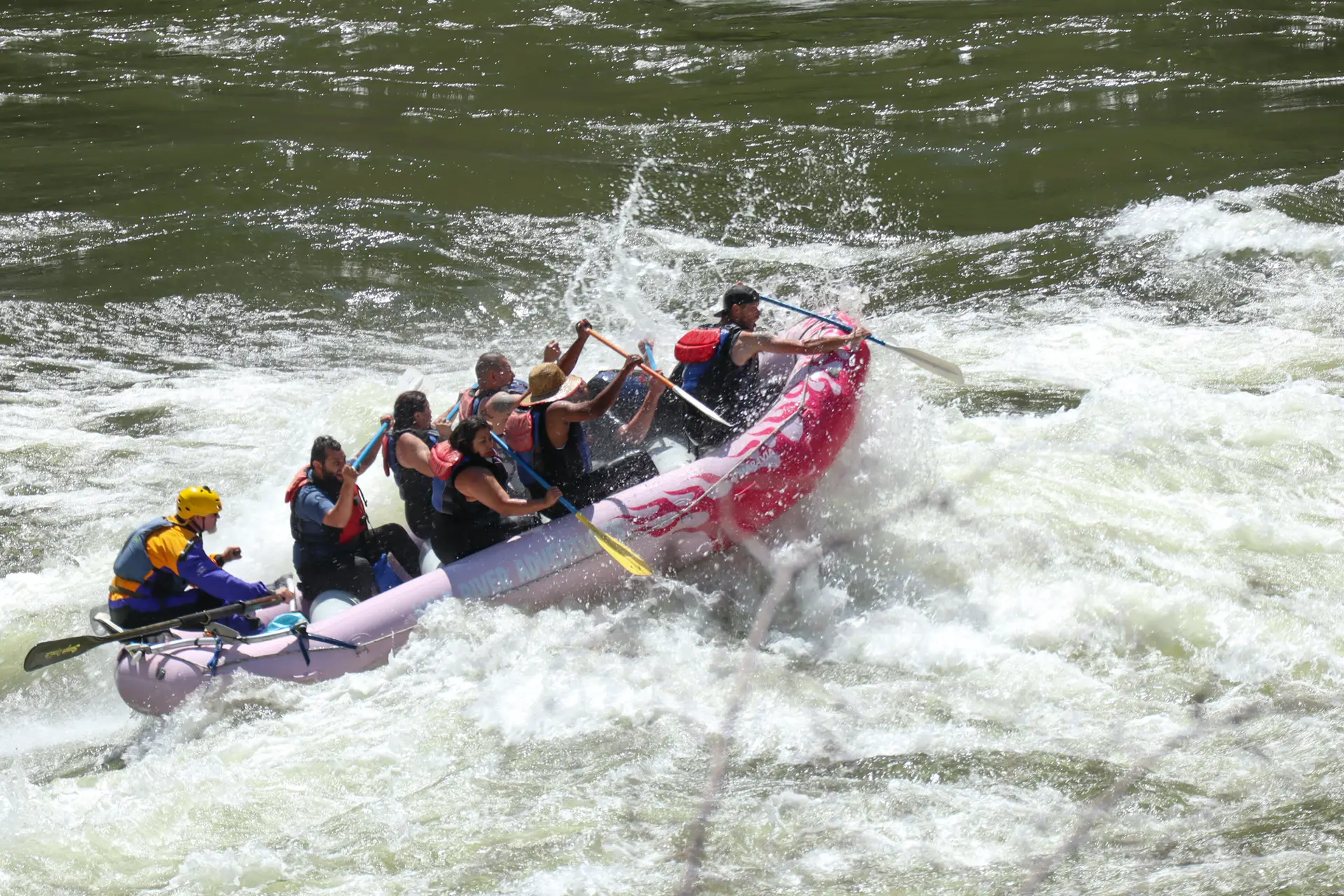
If you have ever looked at a rafting trip description and seen “Class III whitewater” and wondered what that actually means, you are not alone. Is it intense? Is it safe for kids? And does it mean the same thing on the Salmon River as it does anywhere else? Short answer: not exactly. Here is the honest breakdown of how rapid classification works, and what it actually looks like on the river we run at Wild River Adventures. The Scale: Class I Through Class VI Whitewater rivers around the world use a Class I through V rating system, with Class VI sitting out there as the theoretical edge of what is possible. The scale answers two basic questions: how hard is it to navigate the rapid, and what happens if something goes wrong. Class I — Moving flatwater. Steady current, few obstacles, nothing to maneuver around. On the Salmon, these are the stretches where people swim, relax in the raft, and look at the canyon. Class II — Easy. Small waves and mild obstacles, but the route through is obvious. Some splash, some fun, nothing technical. Class III — The classic Salmon River experience. Bigger waves, stronger current, more movement through the rapid. This is the sweet spot where it is exciting enough to be memorable, accessible enough for beginners and families. For most of the summer, the Lower Salmon averages out to a Class III experience. Class IV — Advanced. Bigger, faster, more powerful. Large standing waves, strong hydraulics, and rapids that require precise maneuvering. On the Salmon near Riggins, a rapid like Time Zone can push into Class IV territory depending on the water level. Class V — Expert. Massive waves, powerful holes, and the kind of features where mistakes have real consequences. The biggest difference between a IV and a V is not really size, it is risk. In a Class V, the odds of ending up in one of those high-consequence features go up, and getting out of them is a lot harder. Class VI — The theoretical ceiling. Generally considered the limit of what is runnable. And honestly, this is where the scale gets a little funny. A Class VI is technically a rapid that has not been run by a human and survived. Once someone runs it and lives, it gets reclassified as a Class V. The standard guide joke is that Niagara Falls is technically a Class V now, because somebody went over it in a barrel and survived. So yes, by that definition, Niagara Falls is a Class V rapid. Make of that what you will. Why Classification Is More Subjective Than People Think Here is something most first-timers do not realize: rapid classification is not an exact science. There is no single governing body that hands down official ratings. There are a lot of smart people and organizations, the International Federation of rafting groups, guidebooks, local guide associations, who have done good work trying to define the scale, but at the end of the day, classification comes down to risk and consequence, and both of those are judgment calls. What counts as high risk for one boater might be a non-issue for someone with more experience. A rapid gets its rating based on things like: how many obstacles are there, does the river change direction multiple times through the rapid, how many features do you actually have to avoid, and on a big-water river like the Salmon, how much is the hydraulics of the water itself throwing your boat around, versus how much are you dodging rocks. That last point matters a lot here. The Salmon is a big water river. Our classification leans much more on hydraulics, the force of the water itself, than on obstacle density. Compare that to a rocky technical river like the Kern in California, where there is not as much water but you are constantly threading a narrow line between rocks. Same scale, completely different reasons for the rating. A Class V on one river can look nothing like a Class V on another. The numbers are the same, but the water is not. Why Salmon River Rapids Change Through the Season This is the part that surprises people most: the same rapid can be a completely different rapid depending on when you show up. The Salmon is an undammed river, the longest free-flowing river in the lower 48, which means flows are not controlled by anyone. What happens in the mountains determines what happens on the river. No regulated releases, no predictable schedule. Just snowmelt and whatever Mother Nature decides to do. High water season (generally above 20,000 CFS, May through mid-to-late June, though that window has been trending earlier in recent years): Used to be the Fourth of July marked the end of high water, now it is closer to June 20th depending on snowpack. Historically, peak flows have hit 90,000 to 100,000 CFS. In 2023 the river peaked around 75,000 CFS, guides call that kind of water “the flipping 50s” when flows are running around 50,000, because that is roughly the point where boats start flipping with some regularity. July: Flows have dropped into what a lot of guides, and a lot of guests, consider the best whitewater window of the season. The water warms up to around 70 degrees. Rapids are still powerful, but the highest-consequence features have eased off. August: Low water. Rapids that were Class IV in June settle into Class II or III. Beaches widen. Fishing holes open up. The river shows you a different version of itself. Ruby Rapid: The Best Example of How This Works If you want one rapid that demonstrates everything above, it is Ruby. At high water (20,000 CFS and above, especially up around 30,000) Ruby is a genuine Class V. In 2023, at that 75,000 CFS peak, Ruby was flipping boats roughly 80% of the time. That is not an exaggeration, that is just what the water was doing that year.
Rattle the Canyon Music Festival: How to Make a Full Day Out of It in Riggins
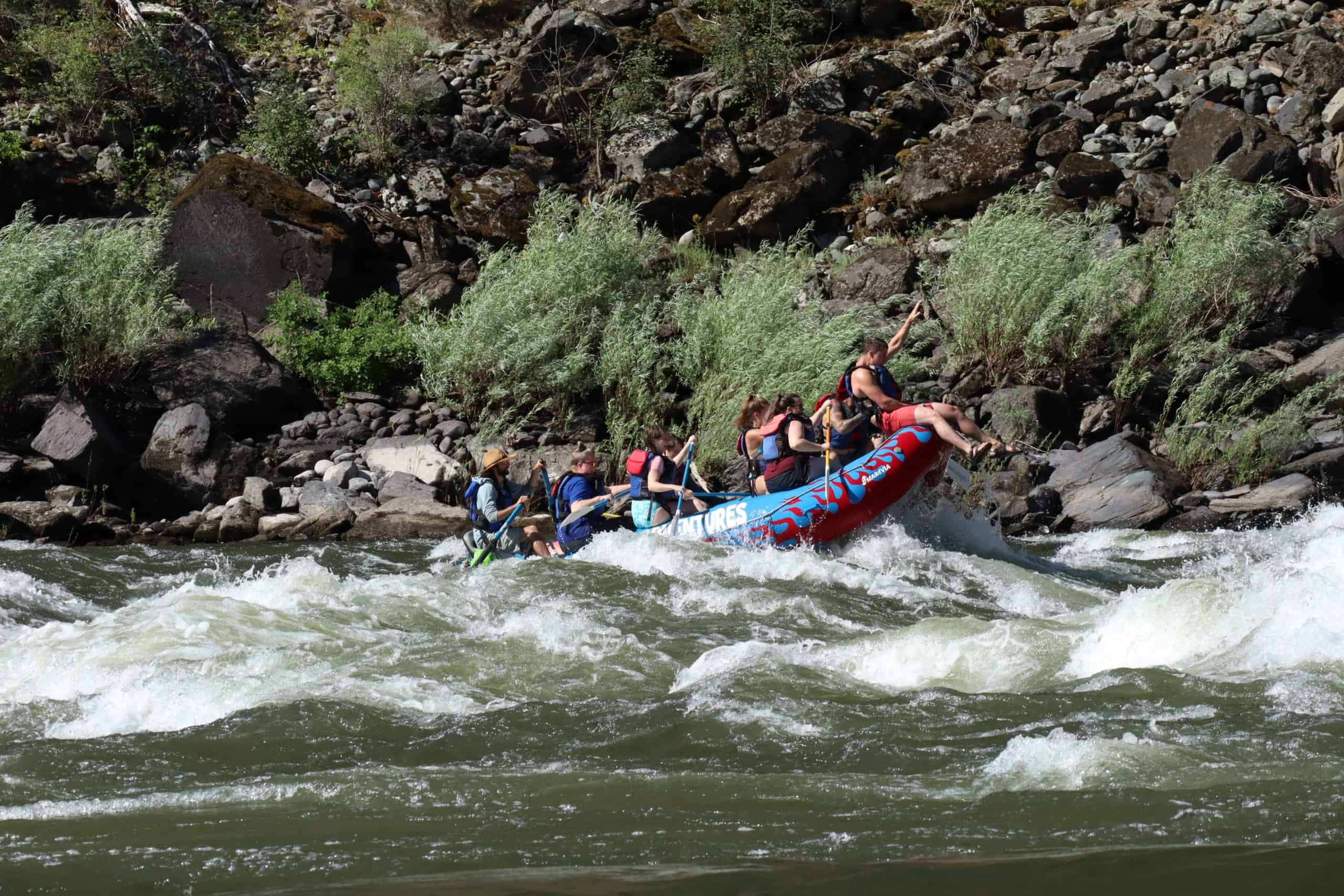
Every summer, Riggins City Park fills up with people, lawn chairs, and live music for one of the best free events in Idaho — Rattle the Canyon Music Festival. It happens right on the banks of the Salmon River, the canyon walls rising up on both sides, and it is exactly the kind of evening this town does well. This year the festival is Saturday, June 27, 2026, at Riggins City Park. J.R. and the Stingrays are headlining. Admission is free. If you are driving in just for the music, that is a great reason on its own. But if you are already in Riggins or thinking about making a weekend of it, here is how to build a full day around the festival. Morning: Get on the River Late June is one of the best times of the season to be on the Salmon River. The flows are typically coming down from their spring peak — somewhere in the 8,000 to 15,000 cfs range — which means the river still has energy and the water is cold and clear. The canyon is warming up but not yet at peak summer heat. A Wild River Adventures half-day trip runs three to four hours and covers roughly 8 to 10 miles through the Riggins section of the Lower Salmon. You will run Time Zone, Traps Creek, Fiddle Creek, and Black Rock before pulling out at Old Lucile. That is a perfect morning — real rapids, beautiful canyon, and you are back in town by early afternoon with plenty of time before the music starts. If you want more water time, the all-day trip runs 19 miles from Spring Bar to Old Lucile and adds Ruby and Lake Creek to the lineup — both Class III-IV and both worth seeing. You will be off the river by mid-afternoon, which still gives you time to clean up, grab dinner, and get to the park. Check out the events page for current trip availability on June 27, or give us a call to get your morning on the water locked in before the festival weekend fills up. Afternoon: Eat, Wander, Settle In Once you are off the river, Riggins is small enough that a slow afternoon is easy to pull off. Kim’s Kitchen handles breakfast if you are an early riser, but the afternoon is a good time to grab something at Seven Devils Bar and Steakhouse before the evening crowd arrives. Good food, cold drinks, and the kind of non-touristy atmosphere that fits a Saturday in June in Riggins. If you want something lighter, swing by Riggins Whitewater Market for ice cream. After a morning on the river in the sun, it hits right. Fiddle Creek Fruit Stand is worth a stop if it is open — fresh local fruit and the kind of roadside produce stand that is increasingly hard to find. Spend part of the afternoon down at the river beaches. Late June water is still cold enough to feel good on a hot afternoon, and the sandbars along the Salmon River Road east of town are starting to emerge as the flows drop. Bring a towel, find a flat spot in the sand, and take a couple of hours before heading to the park. Evening: Rattle the Canyon Riggins City Park sits right along the river. The stage is set up on the grass with the canyon as the backdrop, which is not a bad venue by any standard. What you should know about Rattle the Canyon: J.R. and the Stingrays are headlining.They are a Pacific Northwest rock and blues act that knows how to work an outdoor crowd, and they have played this event before. Bring a lawn chair or a blanket, find a spot on the grass, and plan to stay a while. The event is free. Donations to the Riggins City Park stage fund are encouraged — it is how the stage stays standing for next year. Parking fills up earlier than you expect for Riggins. The elementary school, the high school, and the community center typically serve as overflow lots. Give yourself time to park and walk in. It is an outdoor event on the river in late June. Temperatures cool down after sundown in the canyon but it can still be warm early in the evening. Layers are smart if you plan to stay late. This is a family-friendly event. Kids do fine here. Make It a Weekend If you are coming from Boise, Lewiston, McCall or anywhere in the region, June 27 is worth turning into a full weekend. Stay Friday night, get on the river Saturday morning, spend the afternoon in town, and end the day at the festival. Drive home Sunday with a sunburn and a good story. Lodging options in Riggins include the Salmon Rapids Lodge and several smaller motels along the river. For full event details on Rattle the Canyon, visit the official event page or check the Rattle the Canyon Facebook page. For rafting availability on June 27, visit our events page or call us at the shop. We will get you on and off the water in time to make the show. For further information on rafting or visiting the Salmon visit: Idaho Tourism Raft Idaho
Things to Do in Riggins, Idaho
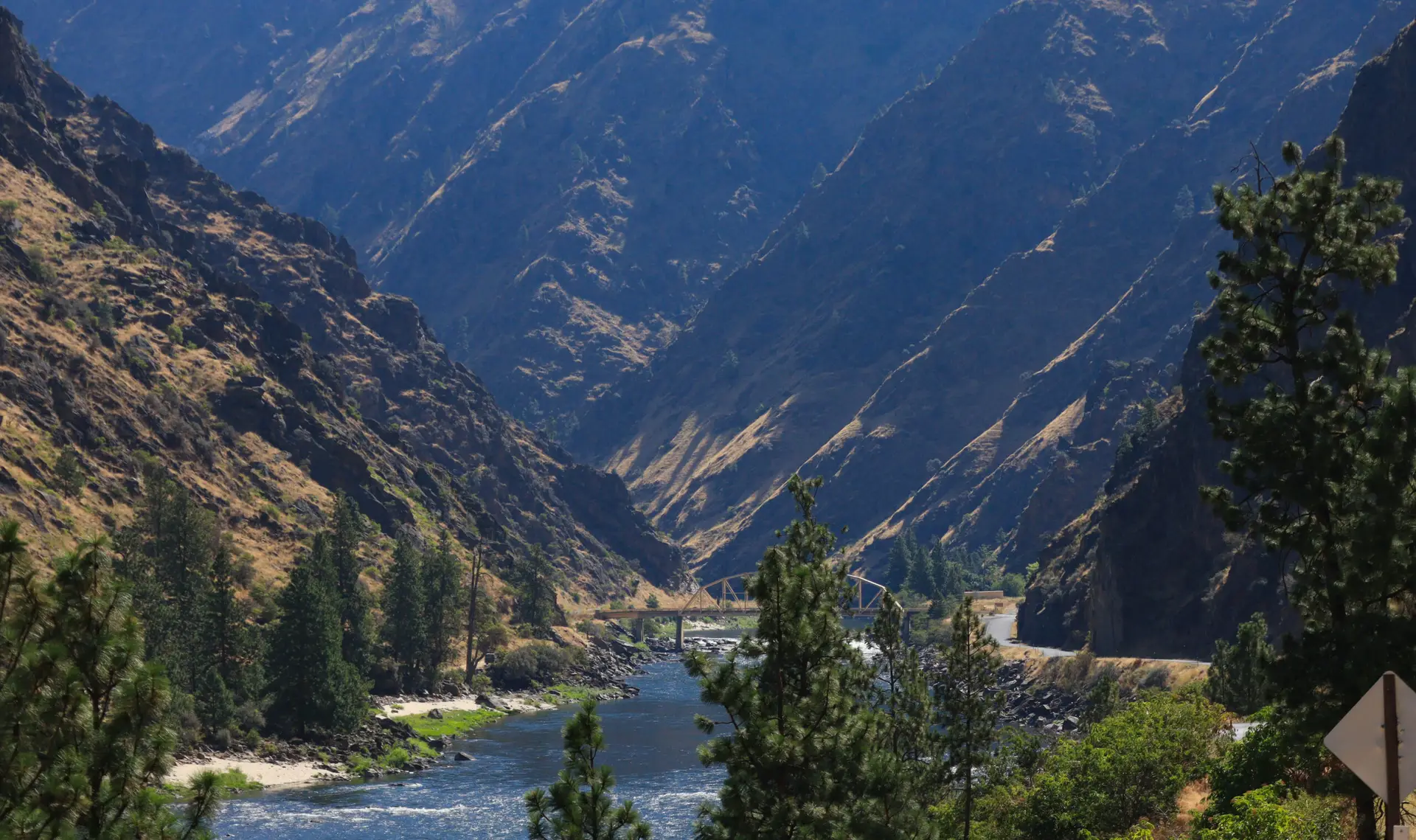
Riggins is a small town. One main street, a couple thousand people, and more big country around it than most places ten times its size. The Salmon River runs right through town, the Little Salmon joins it here, and the Seven Devils mountain range rises straight up to the east. If you are passing through or building a trip around it, here is an honest rundown of what is worth your time. Hit the River Beaches This one is obvious if you have been here before, but first-timers are always caught off guard by the beaches. The Salmon River around Riggins has some of the best river beaches you will find anywhere in the West! The wide, clean, white sand gets better and better as summer goes on. In May and early June the water is high and most of the sand is underwater. By late June it starts emerging, and by July and August you have got wide open beaches all along the canyon. Pull over anywhere along the Salmon River Road east of town, find a flat spot, and spend the afternoon. Swim, bring a cooler, read a book, sun bathe, do nothing. The sand is the way it is because the Salmon runs free. No dams above Riggins means the spring floods push fresh granite sand down from the mountains every year. Raft the River or Grab a Kayak Riggins is the Whitewater Capital of Idaho, and the Salmon River right here in town backs that up. Wild River Adventures runs half-day trips for people who want to get on the water without a full-day commitment, all-day trips for guests who want the full Riggins experience, and overnight trips for those who want to sleep on the river banks. The rapids in the Riggins section (Time Zone, Traps Creek, Ruby, Lake Creek) are real whitewater. An amazing river with actual guides who know what they are doing. If you want something more independent, we also offer inflatable kayaks. They are a great option in the calmer stretches between rapids, easy to handle, fun on flatwater, and a completely different way to experience the river than sitting in a raft. On multi-day trips through the Lower Salmon Gorge, guests can hop in an inflatable kayak on the mellower sections and be back in the raft before the next big rapid. If you are visiting Riggins on your own and want to get on the water in a kayak, ask us at the shop and we can point you in the right direction. For guests with more time, the multi-day Lower Salmon Gorge trip is in a completely different category. Four days, 3 nights, 72 miles, canyon walls the whole way. That one is worth planning a trip around. Drive Up to Heaven’s Gate Riggins sits at around 1,800 feet. Heaven’s Gate lookout is at 8,429 feet. You can drive that in about 45 minutes on a gravel road that climbs out of the canyon into full alpine terrain. At the top you are standing on a ridge between two of the deepest canyons in North America — Hells Canyon on one side, the Salmon River Canyon on the other. On a clear day you can see into four states. In July and August when Riggins is hitting 100 degrees, the lookout is in the 70s with a breeze and snowfields still hanging on the north faces.The sunset views are spectacular year-round. The trailhead at Windy Saddle just below the lookout connects into the Seven Devils Loop, a multi-day backpacking route for people who want to go deeper into that country. Even if you just drive up and look around for an hour, it is worth the trip. Fish the Salmon Riggins is a serious fishing town. Guides run drift boats and jet boats year-round depending on the season and species. Steelhead are the big draw in fall and spring. Chinook salmon run in summer. Smallmouth bass are in the river through the warm months and are genuinely fun on light tackle. White sturgeon hold in the deeper pools and can run over ten feet long — catch and release only, but seeing one up close is something you do not forget. If you are interested in guided fishing through Wild River Adventures, stop in or call and we can walk you through what is running and what the best setup looks like for your dates. Day Trip to McCall and Payette Lake McCall is about 45 minutes south of Riggins on Highway 95, and it is worth a day if you have the time. The town sits on the shore of Payette Lake, a 5,300-acre glacial lake at about 5,000 feet elevation, so it is clear, cold, deep, and surrounded by mountains. After a few days in the canyon heat of Riggins, getting up to McCall feels like stepping into a different world. On the drive to McCall, about halfway through is the Zims Hotsprings if you want to step in for a while and relax. Payette Lake is the main draw. Rentals for boats, kayaks, paddleboards, and jet skis are available right in town, and Ponderosa State Park sits on a peninsula jutting out into the lake with beaches, hiking trails, and campgrounds. The park has over 20 miles of trails if you want to get out of the heat and into the pines. Summer temperatures in McCall stay in the 70s and 80s while Riggins is still cooking which can make it worth the drive. McCall has a good little downtown too. A few breweries, restaurants, a Saturday farmers market in summer, and enough going on that you can spend a full day there without trying too hard. Burgdorf Hot Springs is another two hours north of McCall up into the Payette National Forest. A lot of guests build Riggins, McCall, and Burgdorf into a long weekend loop and come away feeling like they saw a real piece of Idaho. Where to Eat in Riggins
What to Expect on a Lower Salmon River Rafting Trip
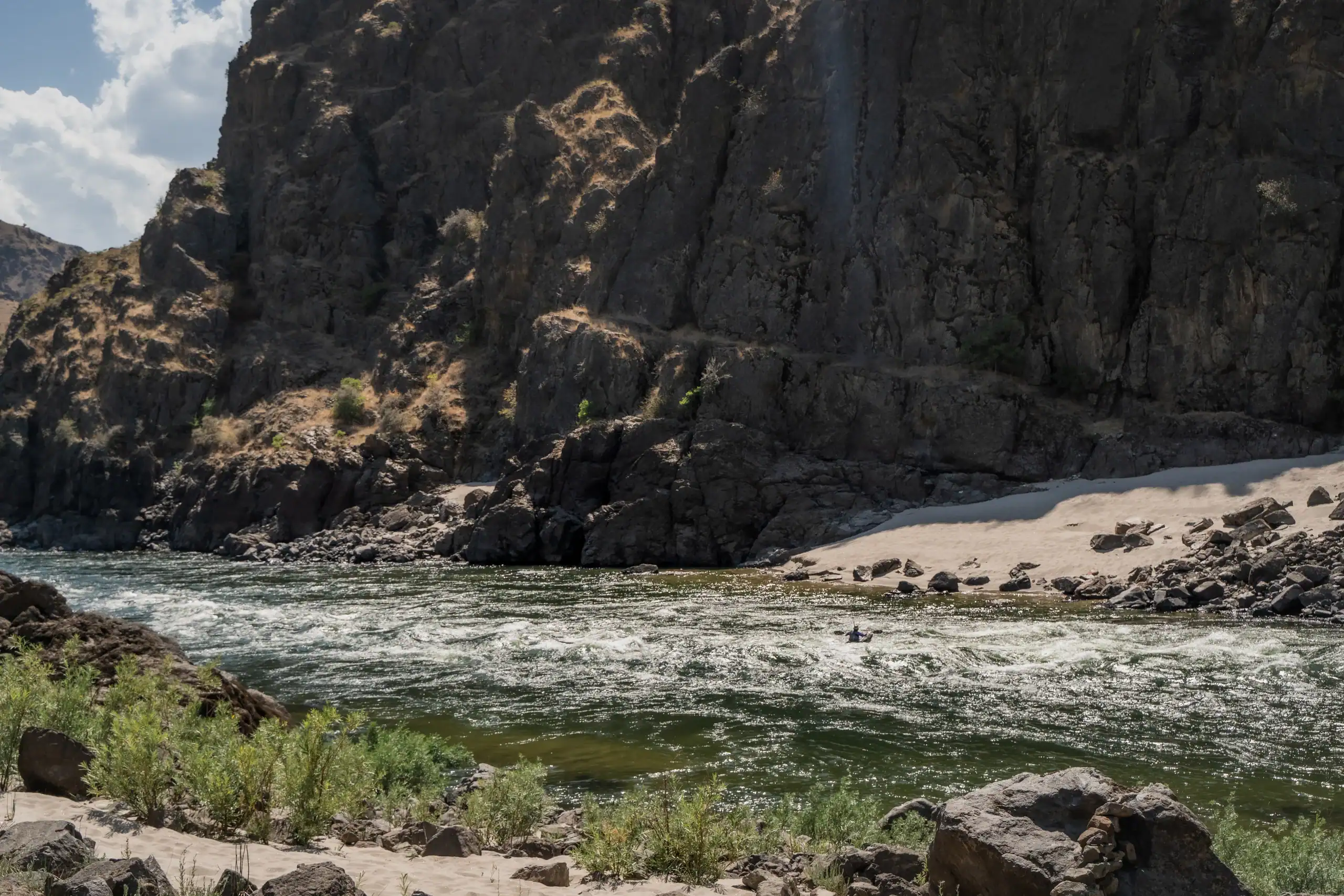
People who have never been to Riggins, Idaho often ask the same question before they book: what is the Lower Salmon River actually like? It is a fair thing to wonder. The difference between a half-day float and a multi-day canyon expedition is significant. Knowing what you are signing up for makes the experience better from the first rapid. Learn everything you need to know: the river, the trips Wild River Adventures runs, what each one involves, and what to expect when you show up. The Salmon River The Salmon River runs 425 miles from its headwaters in the Sawtooth and White Cloud Mountains before meeting the Snake River in Hells Canyon. It is the longest completely free-flowing river in the lower 48 states. That means no dams, no reservoirs. The Lower Salmon is the final 112 miles of that run, from Vinegar Creek to the Snake River confluence. It drops through a canyon that ranks as the second deepest in North America. The river is pool-and-drop: long stretches of moving water with rapids that arrive with concentration and then release you back into the current. The overall difficulty rating is Class II through IV on the International Scale, with flow playing a major role in how the rapids are on any given day. The White Bird Gauge just above Hammer Creek provides the daily reference number, and our guides check it every morning before deciding how to set up the day. Wild River Adventures is based in Riggins, Idaho. We run the river from Memorial Day through Labor Day. The Half-Day Trip The half-day covers roughly 8 to 10 miles and takes about three to four hours on the water. It gives guests a genuine whitewater experience without requiring a full commitment of time or physical endurance. Launch site depends on flow. Above 15,000 cubic feet per second, we put in at Shorts Bar. Below that threshold, we launch from City Park in Riggins. Both routes take out at Old Lucile downstream. The rapids along this stretch include Preacher’s Rock, Race Creek, Time Zone, Tight Squeeze, Chair Creek, Traps Creek, Fiddle Creek, and Black Rock. That is a real lineup! Time Zone and Traps Creek both reach Class III-IV at higher flows, and Black Rock pushes a strong current through a compressed channel formed by dark basalt on river right. Half-day trips run mornings and afternoons. They are well-suited for families with young kids, first-timers who want to test the river before committing to more, and anyone who has a limited window but still wants to see the canyon. Check out our half-day trips to get pricing and availability. What is provided: Coast Guard-approved life jackets, dry bags, snacks and drinks, splash jackets or wetsuits in cold weather, a first aid kit on every boat, and a SPOT GPS device with the group. The All-Day Trip The all-day trip covers 19 miles from Spring Bar to Old Lucile and runs approximately eight to ten hours. Adding Spring Bar as the launch point opens up two significant rapids that the half-day misses: Ruby and Lake Creek. Both these rapids are rated Class III-IV and both carrying real weight at moderate and higher flows. Ruby is where garnet crystals collect in the rock along the rapid. The name is not incidental. It is worth getting your hand in the water at the eddy below. Lake Creek follows shortly after, a longer, faster sequence that keeps guests engaged. From there, the full half-day rapid sequence continues: Time Zone, Tight Squeeze, Chair Creek, Traps Creek, Fiddle Creek, Black Rock. By the time the boats pull into Old Lucile, guests have covered nearly 20 miles of the Lower Salmon’s most dynamic day-trip water and eaten lunch on a white sand beach midway through. Check out our all-day trips for pricing and availability. What is provided: Everything the half-day includes plus lunch! The Overnight Trip The overnight trip runs from Carey Creek to Old Lucile (approximately 31 miles) adding the upper river section above Spring Bar to the route. Additional rapids on this stretch include House Rock, The Crevice, Kelly Creek, and Van Creek before the day section begins. Guests spend one night on the river, camped on one of the Lower Salmon’s wide white sand beaches. These beaches are not a landscaping feature. They exist because the river is undammed. Every spring, high water floods transport fresh quartz sand downstream from far upstream and deposit it throughout the canyon. The beaches are renewed each year. They are one of the defining qualities of this river. Check out the overnight trips for pricing and availability. Wild River Adventures handles group camping gear and cooking. Guests bring their own sleeping bag, pillow, and personal items. The Multi-Day Trips The Lower Salmon Gorge trip launches at Hammer Creek near White Bird, Idaho and covers 72 miles through the canyon before finishing at Heller Bar on the Snake River. Plan on four days on the water, camping each night on the wide white sand beaches. The route runs 52 miles down the Salmon to the Snake River confluence, then continues 20 miles down the Snake to the Heller Bar takeout. The whitewater on this section ranges from Class II to Class IV, with the most serious rapids concentrated in the canyon sections where the walls press in and the river picks up speed. You will run named rapids back to back through the gorge (Demons Drop, Bodacious Bounce, Half and Half, Snowhole, China, Slide, Eye of the Needle) and plenty of moving flatwater in between where you can kick back and let the canyon scroll past. A gear boat handles all of your personal gear, food, and camp equipment so the guest rafts stay light and comfortable. Your guide runs the oars, reads the water, and gets you through clean. In the calmer stretches, you will have the option to hop in an inflatable kayak, float alongside the raft, or just swim. Camp goes up each evening
Big Water Blowout: Riggins’ Best Day on the River
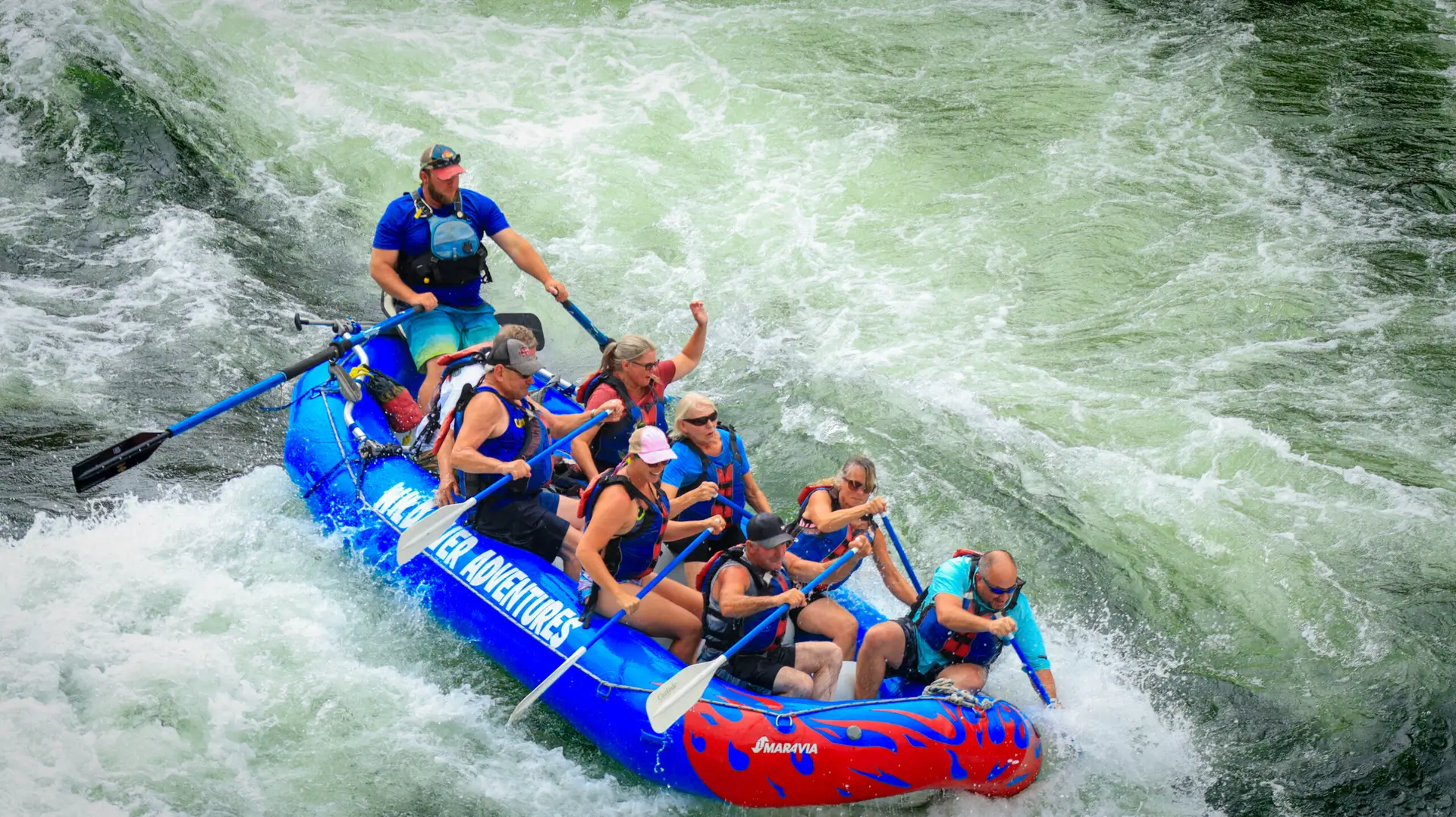
Every first Saturday in June, the Salmon River is running at some of its highest flows of the year and Riggins, Idaho celebrates. The best part is Wild River Adventures is just right across the street from where the party starts. Here’s everything you need to know for Big Water Blowout: What Is the Big Water Blowout? For more than 25 years, Riggins has hosted the Big Water Blowout River Festival, which is a full-day celebration of whitewater, community, food, and live music. Here’s more details: When: First Saturday of June (June 6, 2026) Where: Riggins City Park (and of course rafting the Lower Salmon River) Who: Open to all ages and all who love and appreciate the river! The day splits naturally into two halves: the river and the park. 9 a.m. to 4 p.m.: outfitters run rafting trips on the Salmon through some of the biggest whitewater conditions of the entire season. We’d love to celebrate with you, so go ahead book a trip! Evening: Riggins City Park fills with live music, a Dutch oven cook-off (at which our guides often win a prize for their amazing cooking!) where you can try food for a $10 access fee, and the kind of small-town energy that makes the Idaho canyon country worth the drive. The River in June: What Big Water Actually Means The Salmon River is fed entirely by snowmelt from the mountains of central Idaho. By June, that melt is in full force, and the flows near Riggins can push well past 15,000 cubic feet per second which is sometimes significantly higher depending on the winter snowpack. It is a high-adrenaline, big-commitment experience that the whitewater community travels to witness and participate in. Rafting the Big Water Blowout with Wild River Adventures Wild River Adventures runs rafting trips on the Salmon throughout Big Water Blowout weekend, with our shop located directly across from City Park where all the Big Water Blowout festivities take place. A few things to know before you book: Wetsuits are the right call. The Salmon in early June is cold. Snowmelt-fed rivers can run in the 45 to 55 degree range at this time of year, even when the air temperature is warm. We provide splash jackets and can outfit guests appropriately. Dress for immersion, not for the weather on shore. Trips go fast. The Big Water Blowout is one of the most popular single days of our year. If you want to raft on festival day, book early. The Big Water Blowout Festival at Riggins City Park Once you are off the water, City Park is the place to be. The park schedule generally runs as follows: Dutch oven cook-off setup begins at 2 p.m. Cooking is underway by 3 p.m. Live music starts at 5:30 p.m. Judging begins at 6 p.m. The public eats at 7 p.m. — $10 per plate, all you can taste The Dutch oven cook-off is a legitimate culinary competition with real prizes and serious contenders. Those who enter (which includes our very own Wild River guides!) choose between an appetizer, main course, or dessert category and bring everything they need to execute it over an open fire in a cast iron dutch oven. The results are truly incredible and a favorite part of the weekend for many. Think smoky braised meats, cobblers with blistered crust, and chilis that have been simmering all afternoon. Ten dollars does not buy a better meal in Idaho. Live music runs into the evening in the park, with local and regional acts setting the tone for a summer that is just getting started. 2026 Big Water Blowout The 2026 Big Water Blowout River Festival falls on Saturday, June 6, 2026 at Riggins City Park. Wild River Adventures will be running trips all day. Our shop is directly across the street from the park. Come find us! If you are ready to experience the Salmon River at high water, this is the weekend to do it. Ready to book your Big Water Blowout trip? Contact Wild River Adventures to reserve your spot. High water trips fill quickly and age requirements apply so call or book online to confirm your reservation before festival weekend.
Winter Steelhead Fishing on the Salmon River
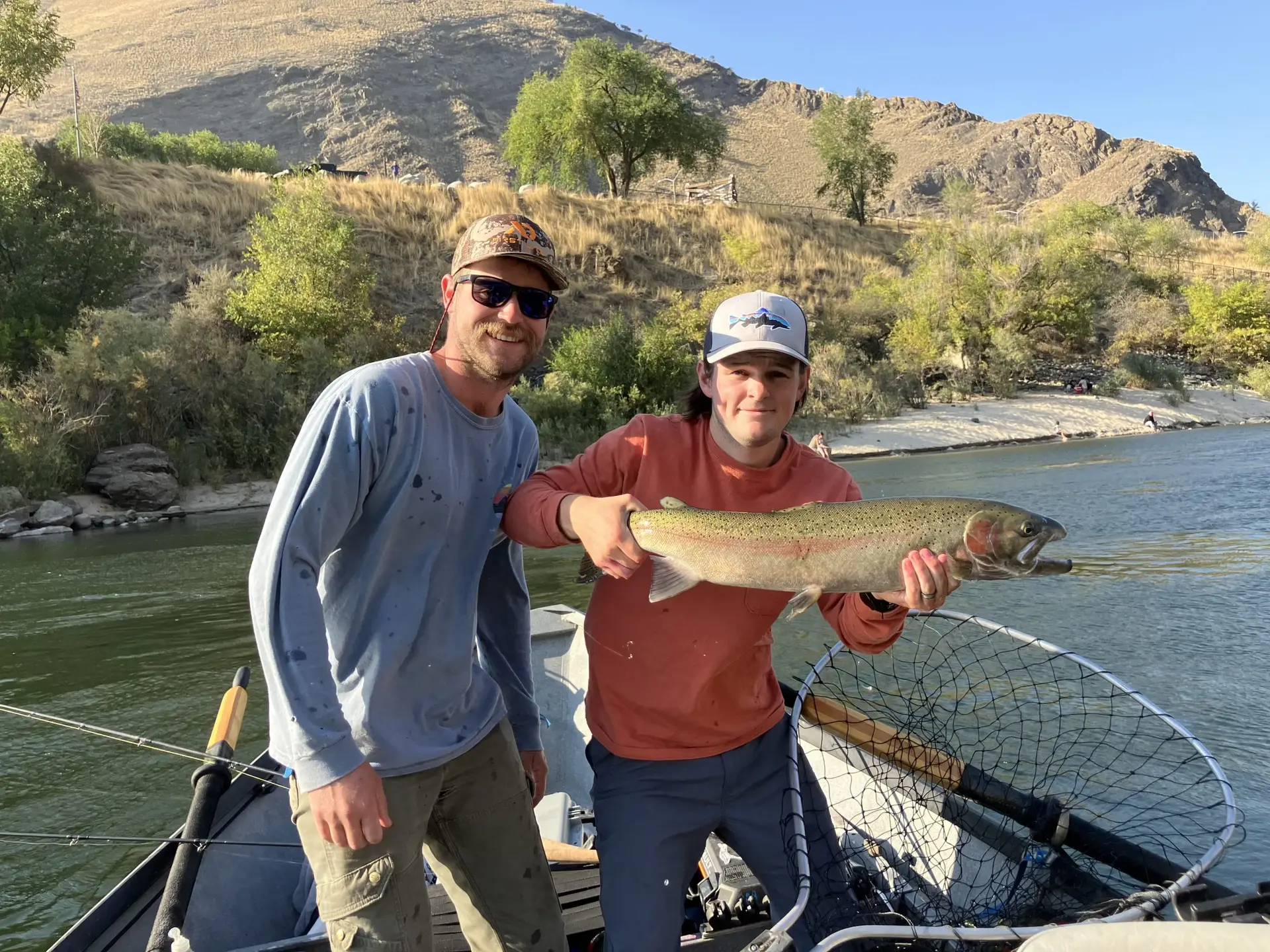
When winter settles into Idaho’s canyon country, many people assume fishing slows down. But on the Salmon River, winter means something exciting for anglers: steelhead season. Each year, ocean-run steelhead migrate hundreds of miles inland from the Pacific Ocean to reach Idaho’s rivers. Their journey creates one of the most unique cold-weather fisheries in the West. Even when water temperatures hover just above freezing, anglers can still find success targeting winter steelhead on the Salmon River. For those willing to bundle up and spend a day on the water, it’s hard to beat: quiet river stretches, dramatic canyon scenery, and the chance to hook one of Idaho’s most iconic fish. Why the Salmon River Is So Good for Steelhead The Salmon River in Idaho stretches roughly 419 miles and is one of the longest free-flowing rivers in the country. It begins high in the mountains near Stanley before winding through remote wilderness and deep canyon country on its way to the Snake River. Along the way, hundreds of tributaries create ideal spawning and rearing habitat for steelhead. Much of the Lower Main Salmon River remains remote and lightly pressured, which is part of what makes it such a special place to fish. In winter especially, it’s common to spend hours on the river with little sign of anyone else around. Where Winter Steelhead Hold Many anglers assume winter fish stay only in deep, slow pools. But on the Salmon River, steelhead often hold in surprisingly shallow water. Guides frequently find fish wintering in riffles about 5–7 feet deep—just enough depth to hide them while still providing good current and oxygen. To find active fish, anglers typically work a mix of water early in the day: Shallow riffles Deeper buckets and runs Current seams along rocky points After covering a few good runs, patterns usually start to appear. Winter Steelhead Fishing Techniques Cold water changes how steelhead behave. When river temperatures dip into the low 30s, fish often bite more slowly and deliberately. That’s why many Salmon River fishing guides run several rods with different presentations to see what fish respond to. Plug Fishing Diving plugs are one of the most productive lures for Salmon River steelhead fishing. These lures dive into the strike zone and create a steady wobble that draws the attention of nearby fish. In cold water, bites are often subtle. Instead of a rod slamming down, anglers may see a slow tick or dip in the rod tip as a steelhead investigates the lure. Letting the rod load up before lifting to set the hook usually leads to better hookups. Shrimp and Bait Divers When fish want more scent in the water, anglers often add a bait setup using shrimp and a diver rig. The shrimp adds natural scent and movement, which can be especially effective when steelhead are sluggish in colder temperatures. These bites can take a little longer to develop, so patience helps. How Water Temperature Affects the Bite During Idaho winter steelhead fishing, temperature plays a big role. When the Salmon River sits around 33–34°F, fishing can still be productive—but bites may take time. Even a small temperature change can make a difference. As the sun warms the river during the day, the water may rise half a degree or more, and that slight increase is often enough to get fish moving and biting. Wild vs. Hatchery Steelhead The Salmon River is home to important wild steelhead populations, so conservation rules are part of the fishery. All steelhead fishing here uses barbless hooks, helping anglers release fish quickly and safely. Anglers also look for the adipose fin: Wild steelhead (fin intact) must be released Hatchery steelhead (fin clipped) may be kept Wild fish continue their journey upstream into Idaho’s mountain tributaries, where they spawn and help sustain future generations of steelhead. Guided Salmon River Steelhead Trips Winter steelhead fishing can be incredibly rewarding, but it also comes with a learning curve. Reading the river, understanding where fish hold in cold water, and dialing in the right presentation can make all the difference. That’s where spending a day on the water with a Salmon River fishing guide can really help. Experienced guides know the productive winter runs, the subtle bite patterns, and the techniques that consistently hook fish in colder conditions. At Wild River Adventures, winter trips on the Salmon River combine steelhead fishing with one of the most scenic canyon floats in Idaho. It’s a chance to learn the river, enjoy a quiet day outdoors, and hopefully get some fish along the way. 👉 Explore Wild River Adventures fishing trips on the Lower Salmon. For further information on fishing on the Salmon visit: Idaho Tourism
When Is the Best Time to Raft the Salmon River?
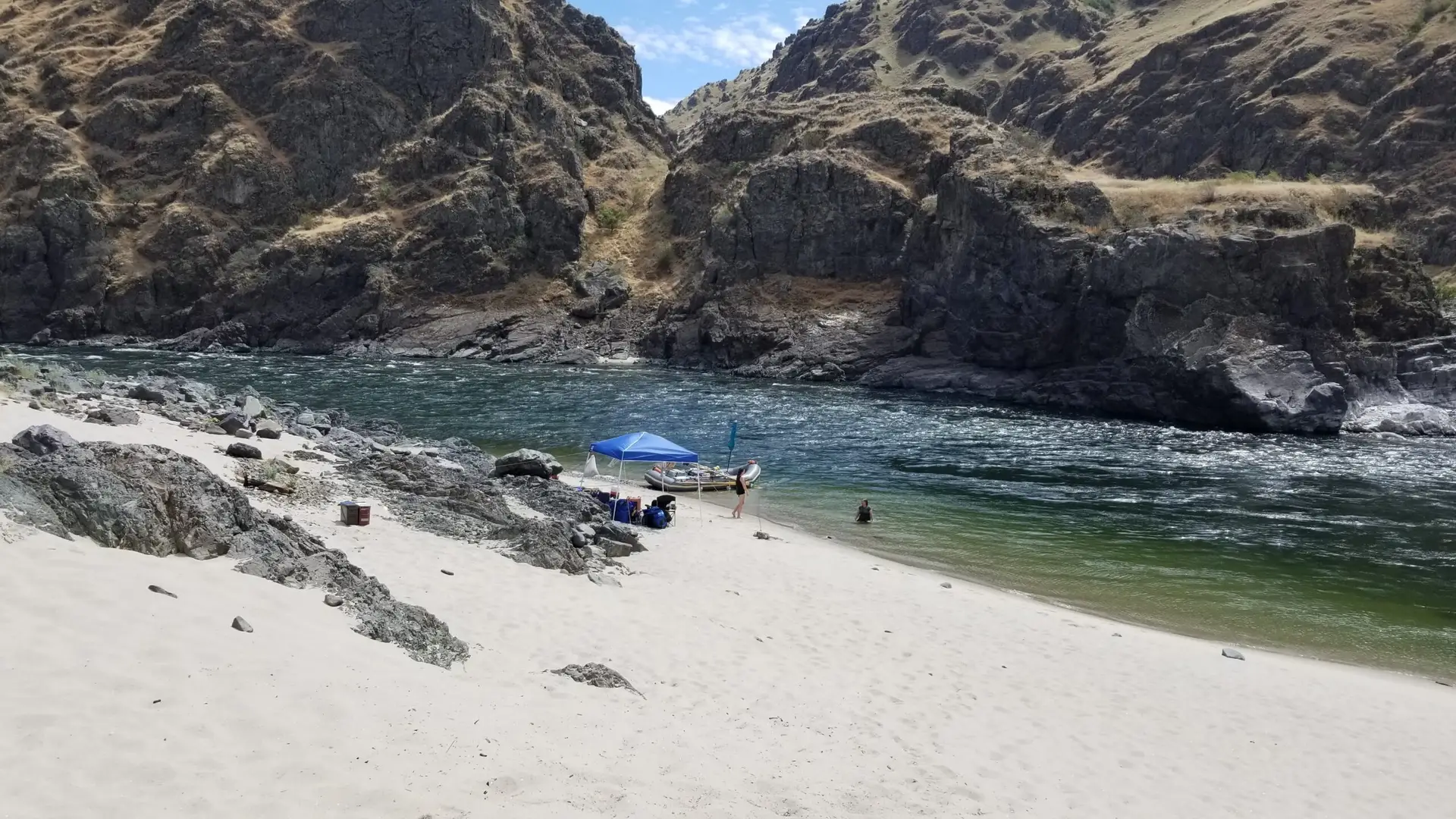
On the Lower Salmon River, the “best” time to raft isn’t a single date, it’s a window. And what that window looks like depends on river flows, not just the calendar. The Salmon River is the longest undammed river in the lower 48, which means there are no controlled releases smoothing things out. Unlike rivers like Hells Canyon or the Snake River near Jackson Hole, the Salmon runs wild. Snowpack, spring rain, and weather patterns all shape what the river does each year and that’s part of what makes rafting here so unique. At Wild River Adventures, our main rafting season runs from Memorial Day through Labor Day with June, July, and August being our core months of operation on the Lower Salmon near Riggins. Here’s how the season typically breaks down from a guide’s point of view. A Quick Note on River Flows (Why Timing Matters) Around here, guides talk in CFS (cubic feet per second). We consider high water on the Lower Salmon to be anything above 20,000 CFS Historically, when you average decades of USGS data, flows usually drop below 20,000 CFS around July 4 In more recent years, that transition has often happened closer to June 20 Some years, late snowmelt or rain keeps the river near high water well into July That variability is exactly why rafting the Salmon River feels different year to year and why timing matters for the experience you are wanting. June: High Water & Big Energy If we’re generalizing, June is high-water season on the Lower Salmon. Snowmelt pushes the river up, the current is fast, and the rapids feel big and powerful. This is when the river has the most push, which means fewer eddies, more continuous movement, and big wave trains. What June rafting looks like: Fast-moving water with big splash potential Rapids can feel massive, or sometimes washed out, depending on flows Well-known rapids like Chair, Lake Creek, and Time Zone completely change at high water Cooler water, warmer air, and nonstop action On half-day sections, some rapids are incredibly splashy in June, while others may flatten out if flows are very high. On full-day trips, rapids like Ruby Rapid and Lake Creek Rapid can be huge during high water. Locally, the first Saturday in June marks the annual Big Water Blowout—a nod to just how wild the river can feel during peak runoff. June is best for guests looking for excitement and a true big-river experience. July: Mid-Water & Prime Whitewater Many people consider July the best overall whitewater month on the Lower Salmon. Flows are usually dropping out of high water, but the river still has plenty of energy. Rapids become more defined, eddies are easier to catch, and the balance between excitement and control is about as good as it gets. Why July is a sweet spot: Defined rapids with fun, splashy wave trains Better swimming and stopping opportunities Warm days and longer river time Prime conditions for multi-day rafting trips July is typically when we start running multi-day trips on the Lower Salmon, as the river becomes more predictable and camp life really settles in. August: Lower Water & Milder Rapids By August, the Lower Salmon has usually transitioned into lower water. Rapids mellow out and the river becomes more relaxed and social. Many rapids that felt like Class III or even IV earlier in the season may feel more like Class II–III, depending on the year’s flows. What August rafting is known for: Slower current and milder rapids Clear water and great swimming holes Warm weather and comfortable days Excellent conditions for families and first-timers This is peak season for half-day and full-day rafting trips, especially for groups looking for fun without big water intensity. How Big Does the Salmon Get? For context, the Salmon River often peaks during spring runoff between 50,000–75,000 CFS. Among guides, flows in the “flipping 50s” are known for their excitement—and yes, more boat flips. In recent years, the river peaked around 75,000 CFS, and rapids like Ruby Rapid were massive. Features like the famous Pancake wave in Ruby show up depending on the flow and can be very fun. That variability is part of the draw — and why rafting the Salmon River never feels cookie-cutter. Quick Season Comparison: Lower Salmon River Rafting Month Flow Style Best For June High water (often above 20,000 CFS) Big splashy rides, adventurous guests July Mid-water transition Best overall whitewater, multi-day trips August Lower water Families, first-timers, relaxed floats So, When Is the Best Time to Raft the Salmon River? From our perspective, the best time to raft the Salmon River depends on what you want out of the day: Big water and fast rides? June Classic whitewater and balance? July Mellow rapids and swimming? August Because the Salmon is undammed, every season and every year is a little different. When you book with Wild River Adventures, we help match your trip to real river conditions, not only a date on the calendar. 👉 Explore Wild River Adventures rafting trips on the Lower Salmon and find the option that fits your adventure style. For further information on rafting the Salmon visit: Idaho Tourism Raft Idaho
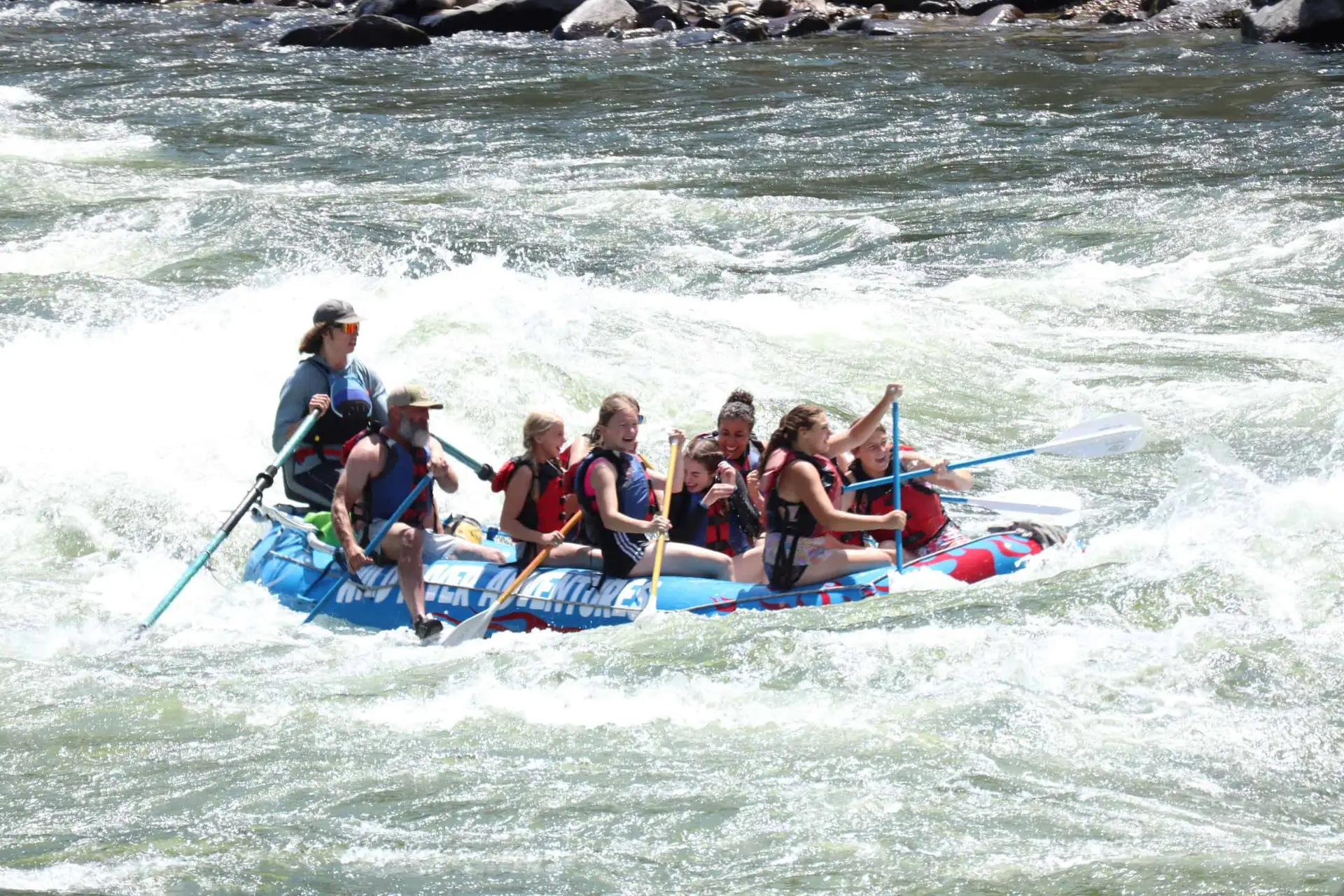
Salmon River Family Rafting: Safe, Guided Trips for Kids and Beginners
When families want an outdoor experience they can truly share, rafting the Salmon River is a great option. The Salmon River is famous for its scenery, warm summer water, and approachable whitewater making it one of the best rivers in Idaho for families and groups. Wild River Adventures offers family-friendly rafting trips on the lower Salmon River in Riggins, Idaho, designed to be fun, safe, and memorable for all ages. Whether it’s your first time rafting or a long-awaited family trip, we make the experience easy and stress-free. Why Families Love Rafting the Salmon River The stretch of the lower Salmon River near Riggins, Idaho is ideal for families because it offers: Splashy Class II–IV rapids that are exciting but not overwhelming Calmer sections for floating, swimming, and relaxing Warmer water during peak summer months Incredible canyon scenery and chances to spot wildlife It’s adventurous enough to feel special and fun, but approachable for kids and first-time rafters. Is Salmon River Rafting Safe for Kids? Yes, family rafting on the Salmon River is safe. Safety is our absolute top priority at Wild River Adventures, and our experiences are designed with beginners and families in mind! The majority of our guests are first-timers, and watching them discover new confidence and skills is one of our favorite parts of the job at Wild River Adventures. For you and your family this means: No prior experience is required. We’ll teach you everything you need to know Activities are scaled to match your comfort level Our guides are skilled at reading people and adjusting accordingly You’ll never be pressured to do something that feels unsafe To ensure everyone’s safety, all participants must meet these requirements: At least 6 years old (unless high water conditions apply) Weigh at least 50 lbs Maximum chest size for life jackets is 58 inches Know how to swim Our guides will adjust the trip based on conditions to keep it safe and fun and Wild River’s team is happy to help families choose the right trip. For further information on rafting safety and gear, visit: American Whitewater Idaho Tourism What to Expect on a Family Trip with Wild River Adventures At Wild River Adventures, family trips are intentionally designed with comfort and safety in mind. A typical Wild River Adventures family rafting trip includes: Easy check-in in Riggins, Idaho at the Wild River Adventures shop High-quality safety gear, including life jackets for all ages A guided river experience with experienced, certified local guides who will take you on a mix of gentle floats and fun rapids Time to swim, laugh, and enjoy being unplugged and outdoors together Trips are available in half-day options, which are perfect for families with younger kids or packed travel schedules. From check-in to take-out, the focus is on creating a safe and positive experience for everyone in the raft. Best Time for Family Rafting For most families, mid-summer (July–August) is ideal for multiple reasons: Warmest weather with air temps in the 80s-90s Lower, clearer water levels reveal beautiful emerald pools Perfect for swimming, cliff jumping, and relaxing in camp Longer daylight hours for more river time Prime time for spotting bighorn sheep, deer, and river otters The best time of year for rafting depends on many factors—spring trips offer more excitement, while late summer brings calmer water and fewer crowds. Plan Your Family Rafting Trip on the Salmon River Rafting together builds connection fast and creates memories that last long after the river trip ends. Families unplug, work as a team, and share real moments of excitement and laughter. From paddling through rapids to floating and taking in the scenery, it’s an experience everyone talks about long after the trip is over. If you’re looking for family-friendly rafting in Riggins, Idaho, Wild River Adventures offers the perfect balance of fun, safety, and local expertise. The Salmon River delivers the adventure while Wild River handles the rest. We can help you and your family plan a trip today, see available dates and book a trip!
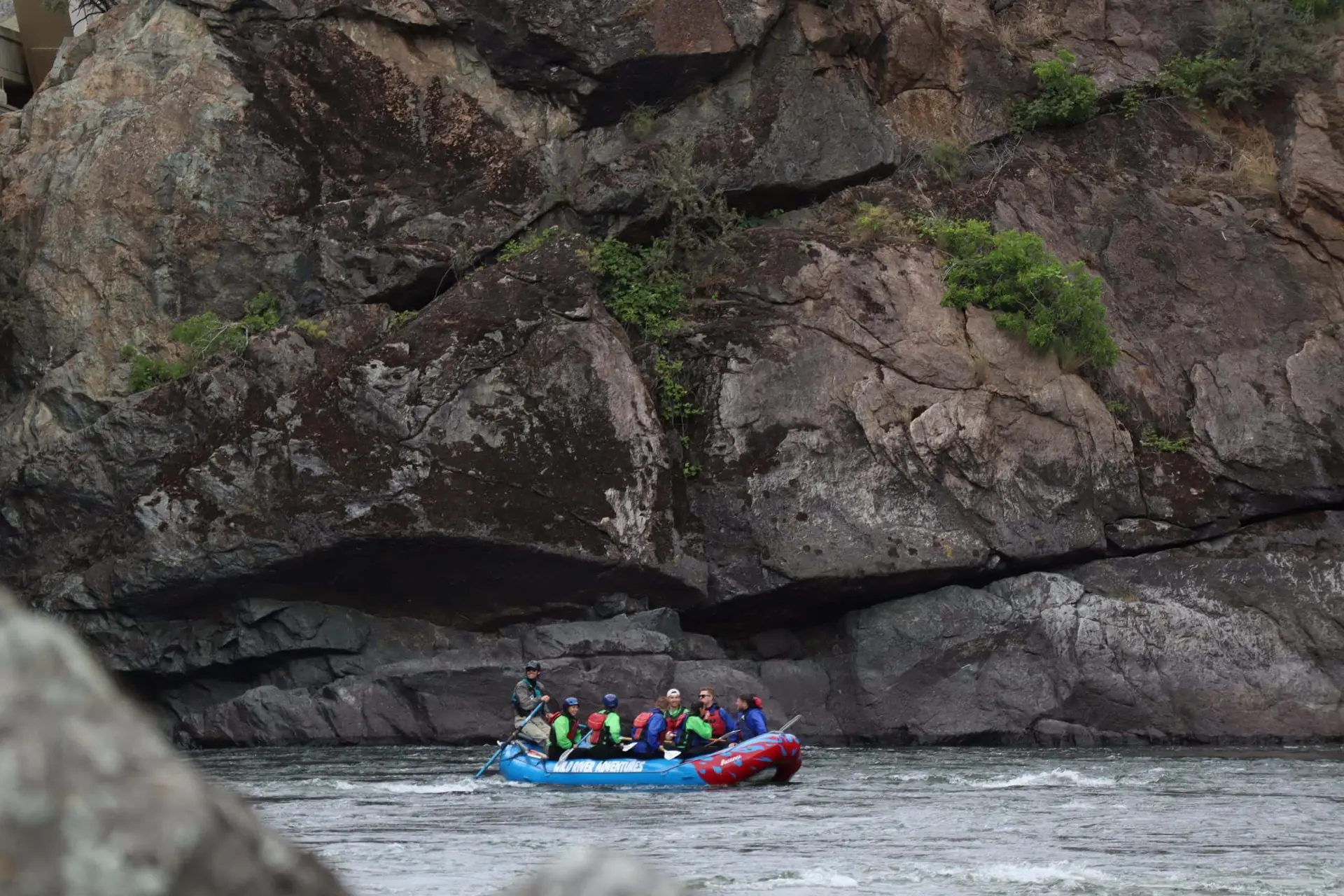
How Long Should Your Salmon River Rafting Trip Be?
Day Trips vs. Multi-Day Adventures on the Lower Salmon River When planning Salmon River rafting trips, one of the biggest questions people ask is how long they should be on the river. The good news is that rafting the Lower Salmon River with Wild River Adventures offers excellent options for everything from quick day trips to multi-day adventures. Whether you’re traveling with family, planning a group trip, or looking for a deeper wilderness experience, the right trip length depends on how much time you have and what kind of experience you want. The Lower Salmon River: A Unique Rafting Experience Flowing through a remote canyon in western Idaho, the Lower Salmon River, or the “River of No Return” is known for its warm water, fun whitewater, sandy beaches, and relaxed pace. Compared to other stretches of the Salmon, the Lower feels approachable and social, making it a favorite for families and groups. Half-Day Rafting A half day rafting trip on the Salmon River is perfect if you’re short on time, rafting with younger kids, or if you haven’t tried whitewater rafting and want to see if you like it (we’re sure you will). Best for: Families with small children First-time rafters Visitors fitting rafting into a larger travel itinerary What to expect: A few hours on the river Gentle floating mixed with splashy rapids Scenic canyon views and wildlife sightings Plenty of fun without feeling rushed or overwhelming Half-day trips offer a great introduction to rafting while keeping the experience simple and accessible. Full-Day Rafting A full day rafting trip on the Salmon River allows you to settle into the rhythm of the river and experience more of what makes this river special. Best for: Families with older kids and teens Groups looking for a shared adventure Guests who want both excitement and downtime What to expect: More time on the water and additional rapids Longer breaks for swimming and relaxing A riverside lunch (made and prepared by your Wild River guides) and time to explore beaches A deeper connection to the canyon and river environment For many guests, full-day trips hit the sweet spot. They are long enough to feel immersive, but still easy to fit into a vacation. Multi-Day Rafting For those looking to unplug completely, multi-day rafting trips on the Salmon River offer a true wilderness experience. Best for: Adventure-focused families Multi-family groups or reunions Guests who want to slow down and disconnect What to expect: Several days floating through remote canyon stretches Nights spent camping on sandy river beaches Campfire meals, stargazing, and quiet mornings A relaxed pace with time to swim, hike, and explore Multi-day trips on the Lower Salmon are less about rushing from rapid to rapid and more about enjoying life on the river. They create strong connections—both within your group and with the landscape itself. So, How Long Should Your Trip Be? There’s no one-size-fits-all answer. The best Salmon River rafting trip is the one that matches your group’s needs. Consider: How much time you have available The ages and experience levels in your group Whether you want a quick adventure or a deeper escape Families often start with half- or full-day trips and return later for a multi-day adventure once they’ve fallen in love with rafting. Plan Your Lower Salmon River Rafting Trip No matter the length, rafting the Salmon River delivers warm water, fun whitewater, and unforgettable canyon scenery. Choosing the right trip length ensures everyone in your group has the best possible experience on the river and keep you coming back again and again. If you have questions about what might be best for your group, call us at Wild River Adventures and we’d love to help! 👉 Explore Wild River Adventures rafting trips on the Lower Salmon and find the option that fits your adventure style. For further information on rafting the Salmon visit: Idaho Tourism Raft Idaho